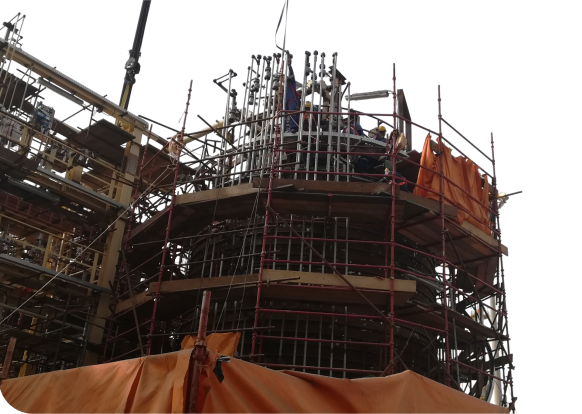
A planned industrial shutdown creates a limited window for inspection, maintenance, repair, and modification work that cannot be completed safely during normal operation. Its effectiveness depends on defining the scope early and separating essential work from tasks that can be scheduled later.
Detailed planning links work packages, labour, materials, permits, isolations, access, lifting needs, and quality checks to one coordinated schedule. Clear dependencies and contingency plans help teams respond when inspection findings change the expected sequence.
During execution, progress and emerging risks should be reviewed against agreed priorities rather than schedule alone. A structured close-out then records completed work, outstanding actions, test results, and lessons that can improve the next turnaround.